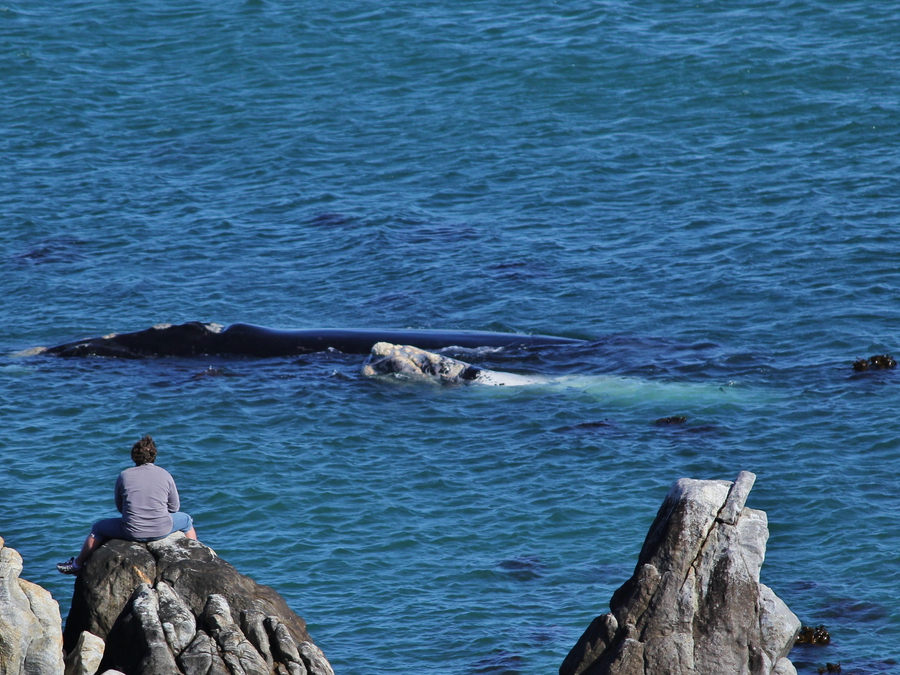
De Kelders - Walker Bay whale watching from the cliff path
“We live in a wonderful world that is full of beauty, charm, and adventure. There is no end to the adventures we can have if only we seek them with our eyes open.” – Jawaharlal Nehru
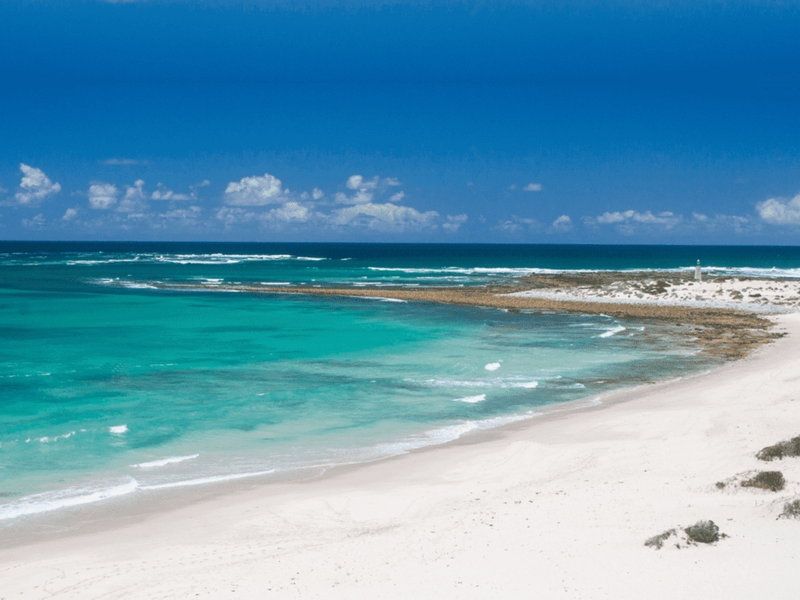
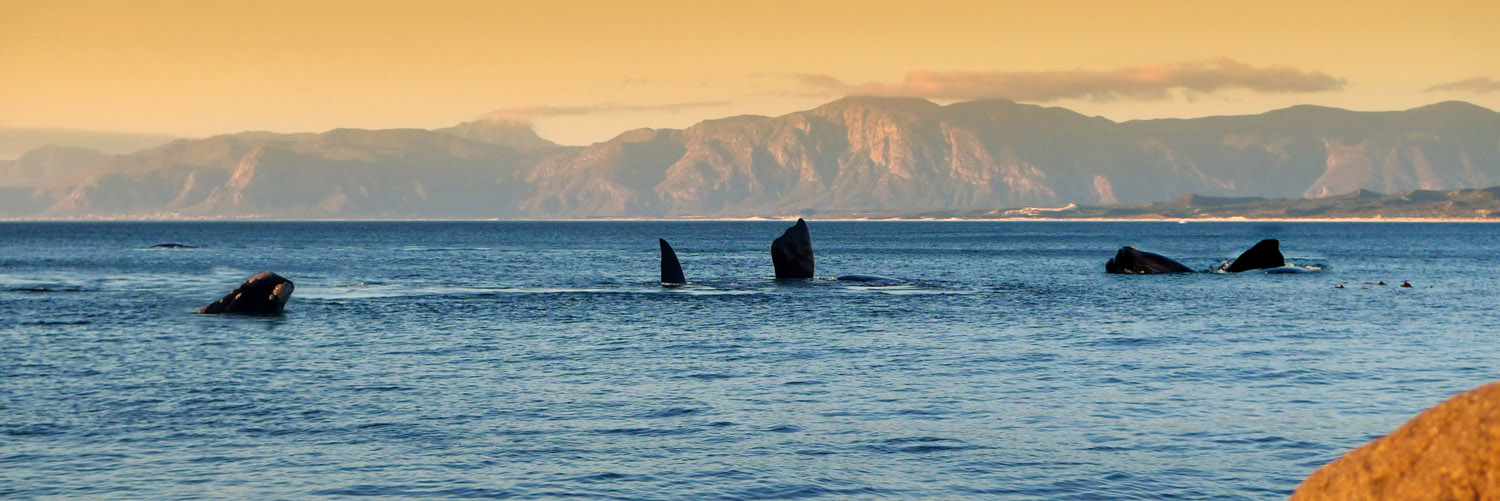
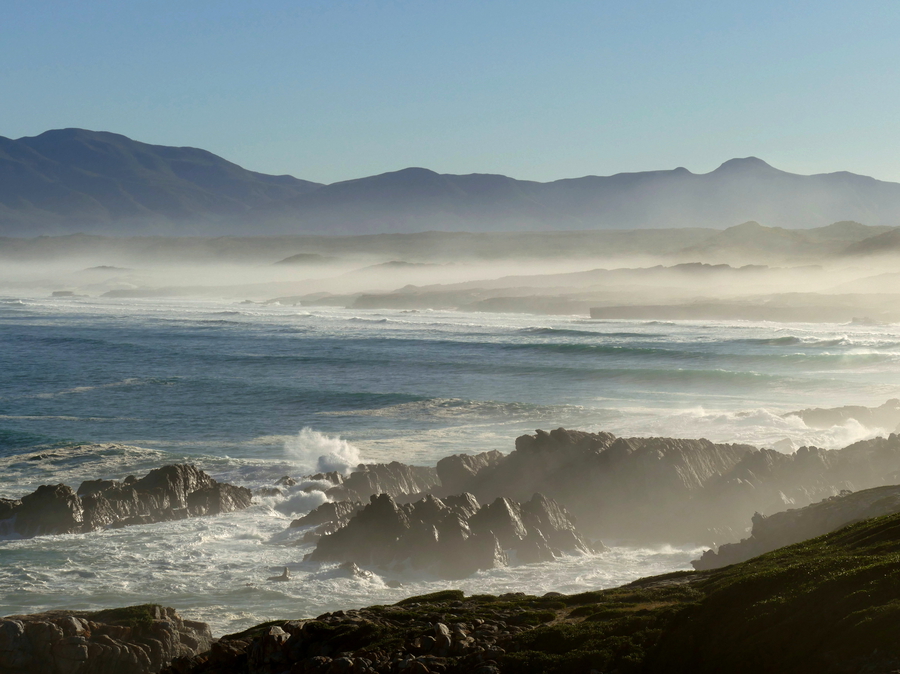
De Kelders is a village, near the small fishing town of Gansbaai, in the Overberg region of the Western Cape is just two hours from Cape Town. The dramatic rocky coastline offers breathtaking views of Walker Bay. To the north lies Hermanus and the Hemel en Aarde valley mountains. To the north west is Hangklip and the Cape of Good Hope. Being one of the only north facing settlements on the coast, you can watch the sun setting over the ocean all year round from De Kelders.
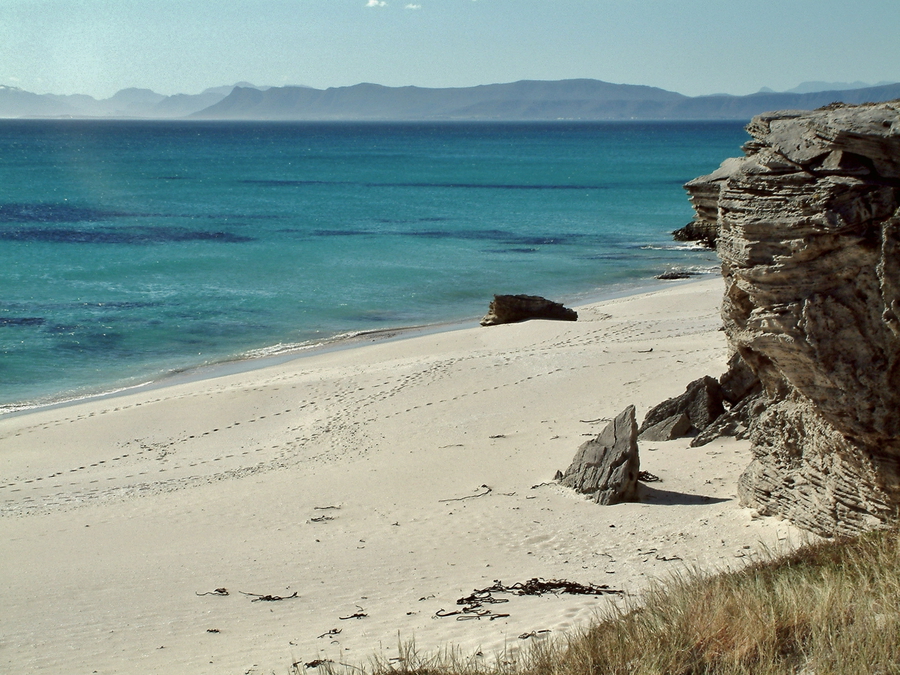
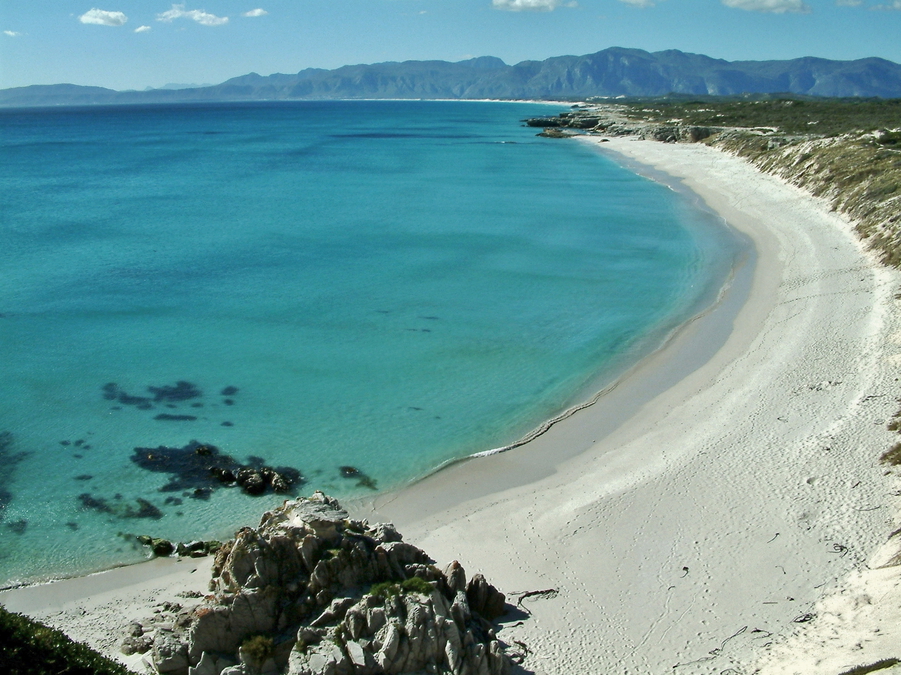
De Kelders is truly a nature lover’s paradise with enless white sandy beaches, fynbos covered dunes in the nearby Walker Bay Nature Reserve and an incredible night sky. Many visitors fall in love with the landscape and the peace and quiet that De Kelders offers and return again and again to our small piece of heaven.
Nearby

Walker Bay Nature Reserve
The Walker Bay Nature Reserve entrance is at the eastern end of De Kelders, nearby Marebella. From there you can explore the beautiful local swimming beach and the Klipgat caves. Walking enthusiasts will enjoy the long stretch of unspoilt sandy beach called Die Plaat, where you may encounter a lone fisherman, but more likely you will have the beach to yourself. The path runs along the beach and cliffs with beautiful rock formations and stunning views.
Most of the mammals found in the reserve are very shy, with only the tracks of Cape clawless otter, bushbuck, duiker, grysbok and steenbok being occasionally spotted. Off-shore, Southern Right whales can be seen from September to November. Bryde’s and Humpback whales, and various dolphin species occur throughout the year.
Klipgat caves
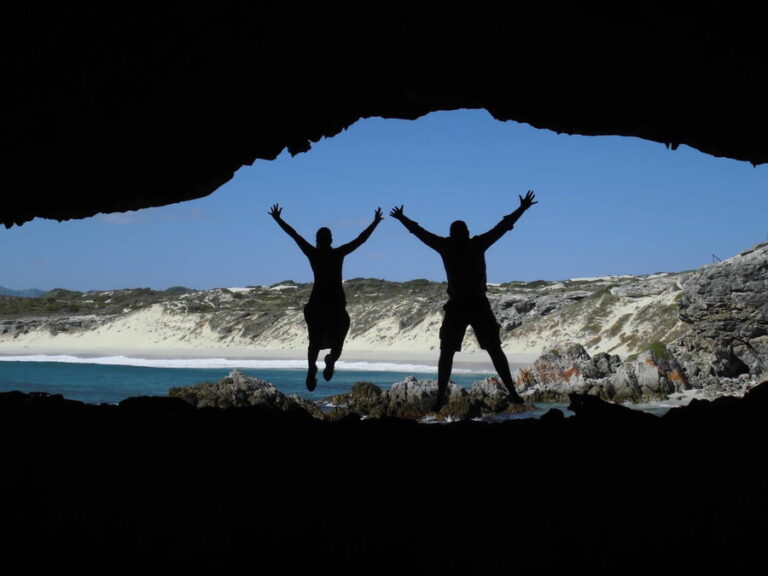
From the parking area, take the steps down to the beach then follow the rocky path to the left along the shore to enter the caves. Continue through the first cave to the second bigger cave, where you will see a viewing platform overlooking the different excavated layers and information boards on which their significance is explained. It is believed that Klipgat Cave at De Kelders was home to humans some 70 000 years ago. Klipgat Cave is an important archaeological site of world importance. The name De Kelders means “the caves” and describes the many limestone caves along the Walker Bay coast, which have been formed over millions of years of being exposed to ocean waves.
Shell middens and pottery remains, first identified Klipgat Cave as being of archaeological interest in 1968 with evidence that Later Stone Age Khoisan inhabited the area some 2000 years ago. The excavation revealed domestic pottery, stone and bone tools, artefacts and ornaments as well as remains of shellfish, fish and other animals eaten by the Khoekhoen/Khoikhoi inhabitants of the time.
The initial finds led to further excavations starting in 1992 revealing the lower (Middle Stone Age) layers contained some stone tools, bones and human teeth. The Middle Stone Age human remains from De Kelders are among the earliest modern-looking Homo Sapiens in the world.
Platbos Indigenous Forest
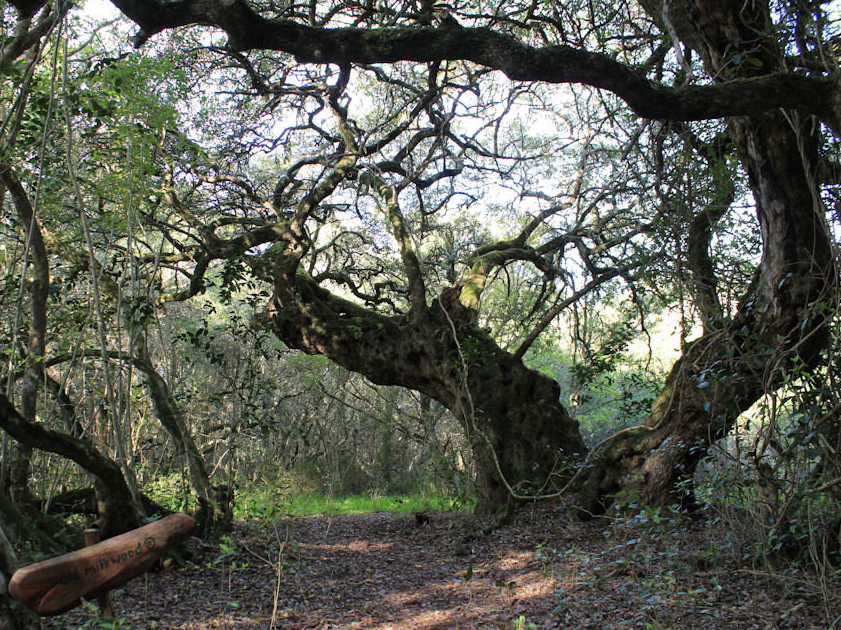
Platbos is Africa’s Southernmost Forest and is filled with ancient trees, some of which are over a 1000 years old. The botanically unique, endangered forest ecosystem of Platbos Forest is one of the few surviving indigenous forests in South Africa.
The forest, found on the slopes of the Baviaanspoort Hills, is located on the Grootbos Road between the Gansbaai and Stanford, 15 minutes from Marebella.
Platbos is also home to Melissa Saayman’s African Tree Essences. They are solarized infusions of the forest’s tree and fynbos flowers. Known as vibrational remedies, they are made in the traditions of the Bach Flower Remedies, and bring balance to the emotional, mental, physical and spiritual bodies.
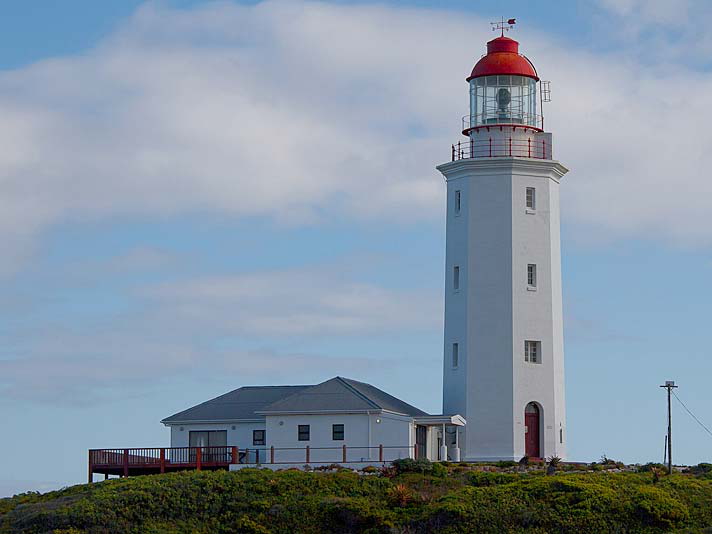
Danger Point Lighthouse
Following the famous sinking of the HMS Birkenhead in 1852, the Danger Point Lighthouse was erected in 1895 to warn passing ships of the dangers lurking near the coasts. The lighthouse is 18,3 m tall and its light can be seen for apporximately 25 sea miles (three flashes every 40 seconds). At the base of the lighthouse is a remembrance plate for the HMS Birkenhead and it points to where the ship met its doom.
Of the 643 people aboard the Birkenhead, only 193 were saved owing to poorly maintained and insufficient lifeboats as well as the tretcherous sea conditions not least of which was the very cold water temperature and shark infested waters.
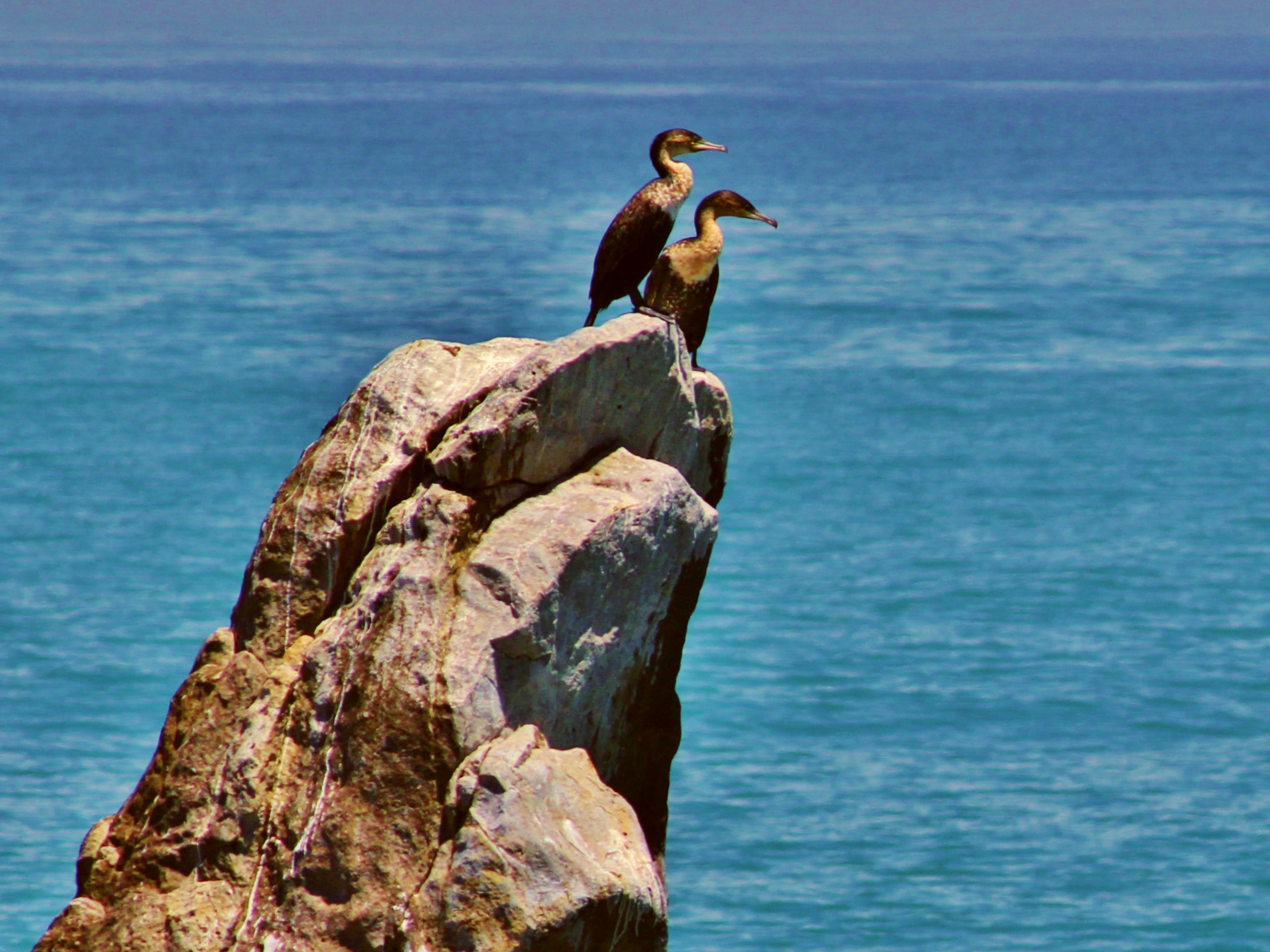
This disaster started the protocol of “women and children first!”, which became a standard evacuation procedure in maritime disasters. Similarly, “Birkenhead Drill” carried out by the soldiers became the epitome of courageous behaviour in hopeless circumstances. The Danger Point Lighthouse is situated on the rugged danger point peninsula about 13km from Marebella. On the way do visit the African Penguin and Seabird Sanctuary which take care of and rehabilitate injured penguins and marine birds. Especially interesting during the daily feeding at 15h00.
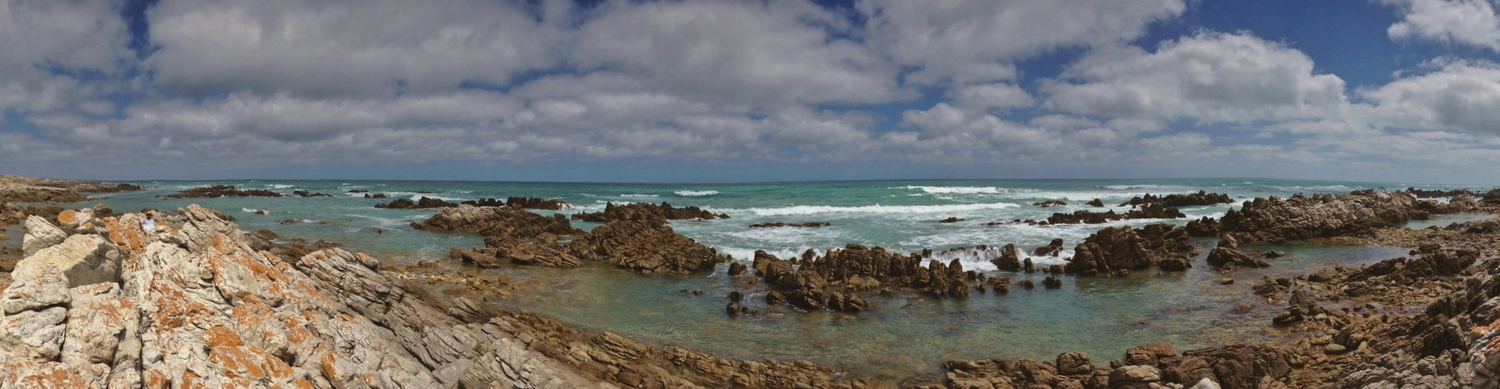
Top Day Trip to Cape Aguhas and Struisbaai
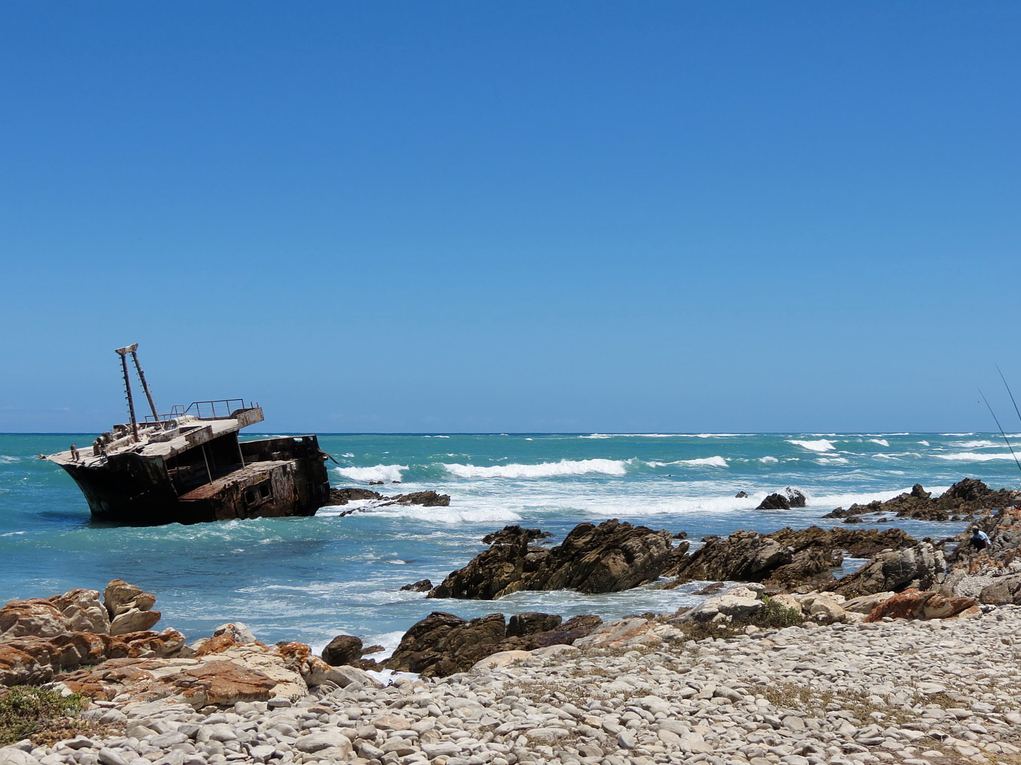
De Kelders is perfectly situated to undertake a circular day trip through the rural Overberg. A day trip to the southern tip of Africa will take you through the Cape Agulhas Plain, one of the world’s hot spots for concentrations of vulnerable plant species. A rugged and wild landscape with a rocky coastline in the south.
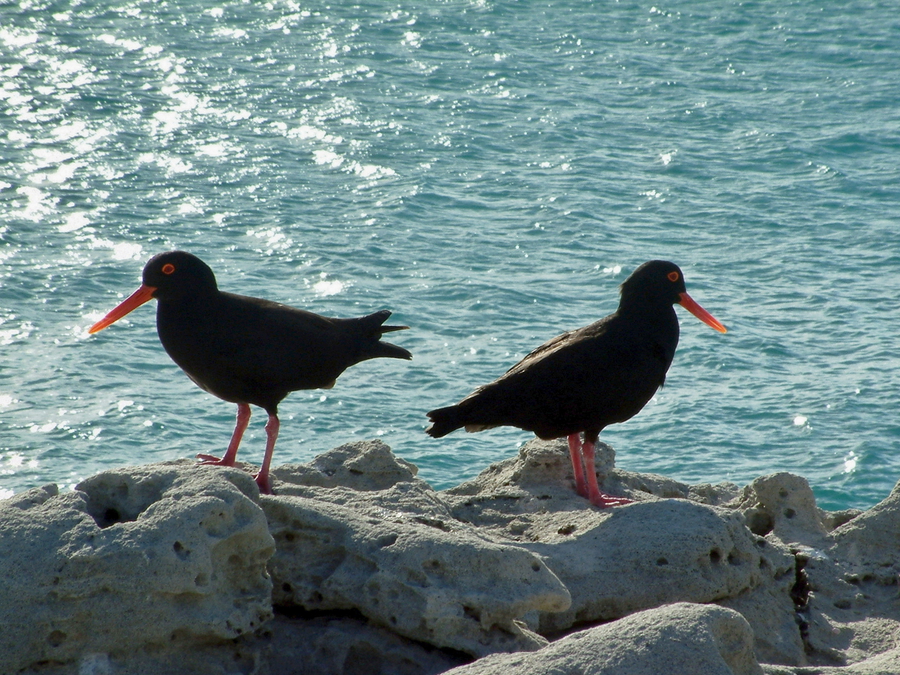
Starting in Gansbaai take the R43 to Elim, an historical village known for its rows of colourful thatched houses and Moravian church with its clock tower and old watermill. Leaving Elim you will pass the Black Oystercatcher wine farm. Continue straight on the dirt road in the direction of Struisbaai and Cape Agulhas.
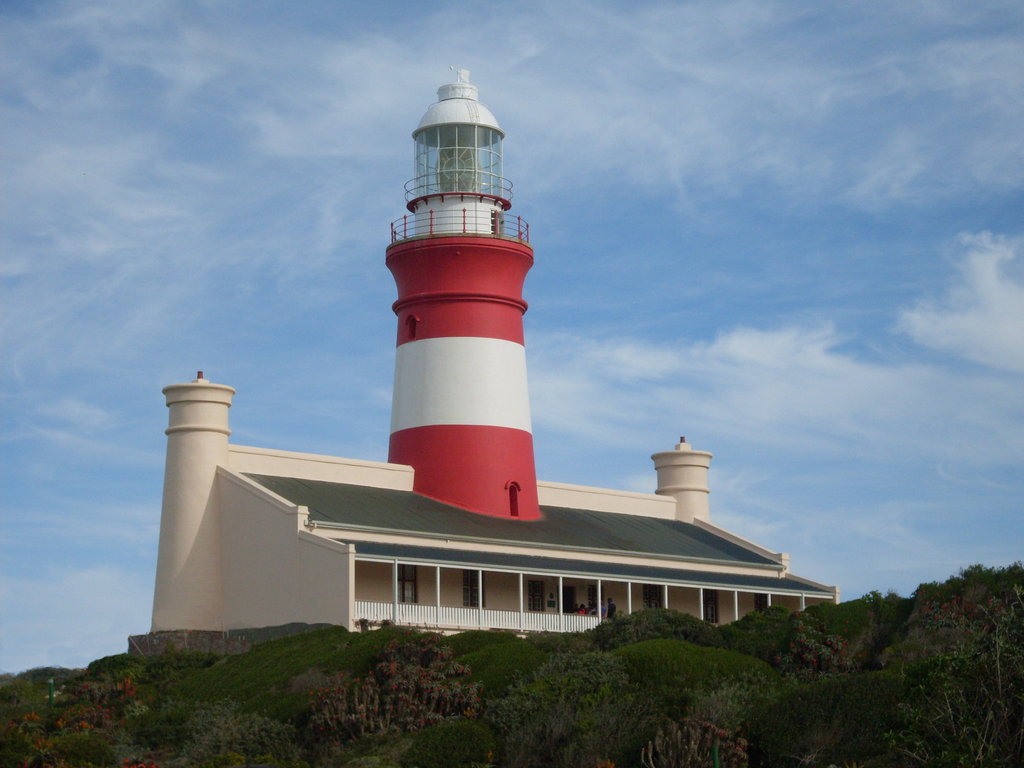
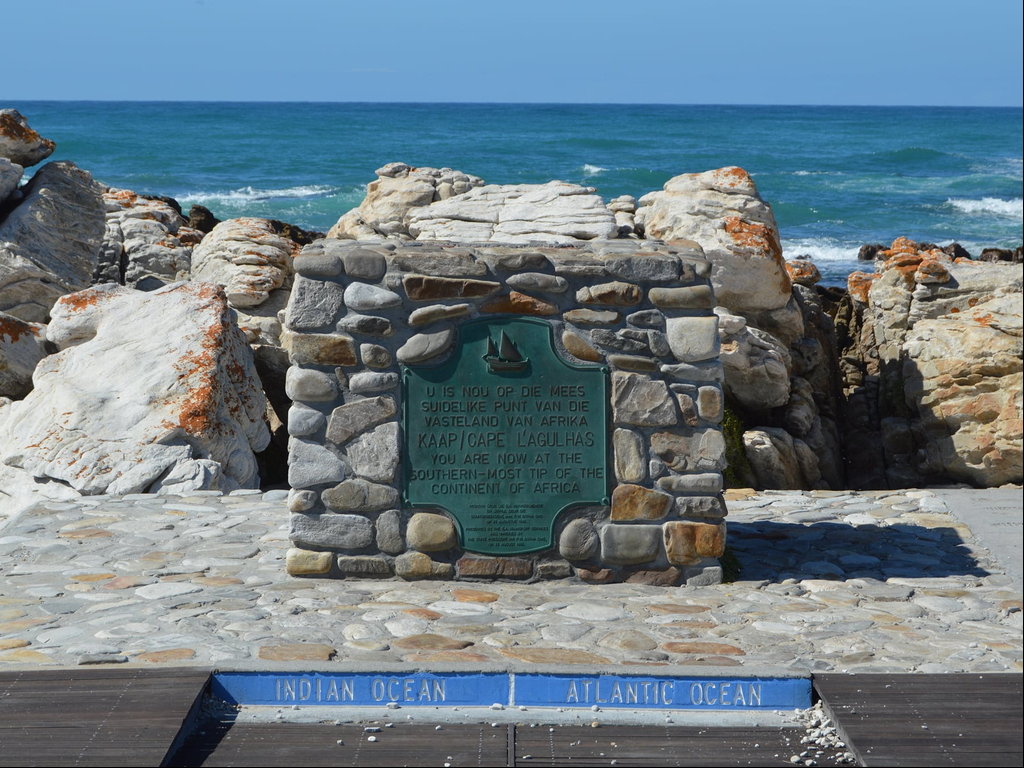
In L’Agulhas follow the signs to the Southernmost Tip of Africa and then walk along the wooden boardwalk to the stone monument marking where the warm Indian and cold Atlantic oceans meet. It is surprisingly moving to stand there and look out to the sea and know that there is nothing between you are Antarctica. Visit the Cape Agulhas Lighthouse & Museum. The lighthouse was built in 1848 to aid the early explorers on their passage of the rough seas off Cape Agulhas. A perilous coastline for ships. If you are ready for lunch, the rustic restaurant, L’Agulhas Seafood in the main road is a local favourite for the best fish and chips imaginable.

In Struisbaai marvel in the 14km long beach and make sure you are in the harbour in the late afternoon when the fishing boats return to the harbour, you have a good chance to see the resident stingrays. From there take the R319 to Bredasdorp and visit the Kapula factory and warehouse gallery. Their hand-painted candles and ceramics are exported to Europe, USA, the Middle East and Australia. After Bredasdorp, travel back to Marebella via Napier. Turning onto the R326 to Stanford and then turning left onto the R43 to complete the circular route to De Kelders.